
McCormick County Uses Bench Warrant Terms
The South Carolina court form calls the common failure-to-appear document a “Bench Warrant After Failure to Appear.” McCormick sources do not establish a separate capias or capias-pro-fine process, so those labels should not be substituted for the form's wording. A bench warrant after a missed date is distinct from a warrant after trial in absentia and from Family Court process.
Ask the court to name the process and the event it addresses. That answer identifies whether the next step belongs with the Magistrate, the Clerk, or counsel.
Bench Warrants in McCormick County
South Carolina uses the term “bench warrant after failure to appear” on its SCCA523 form. In McCormick County, the relevant court may issue process after a missed required setting or a bond violation. The form records the court and case, missed appearance, underlying charge or bond issue, judge, service direction, and return information.
A bench warrant is a court tool to bring the person before the issuing court. It is not itself a sentence. Family Court has a separate form, and a trial-in-absentia warrant follows a different event. Identify the court and trigger before asking how to resolve the matter.
The statewide SCCA523 form directs that a person taken into custody be brought before the issuing court within 24 hours. That instruction describes what the order says after arrest; it does not publish a McCormick surrender desk, guarantee a walk-in appointment, or identify which office will take a voluntary appearance. Call the court listed on the notice before choosing where to go.
McCormick County FTA Guidance Favors Rescheduling
The South Carolina Summary Court Bench Book says that after a first missed court date, rescheduling is preferred in the circumstances described there. A warrant for a bond violation is discretionary and should be used sparingly. The guidance explains why a missed date does not automatically mean a person has been sentenced or that a single route fits every case.
The official memo describes the procedural preference. Read the South Carolina FTA guidance.
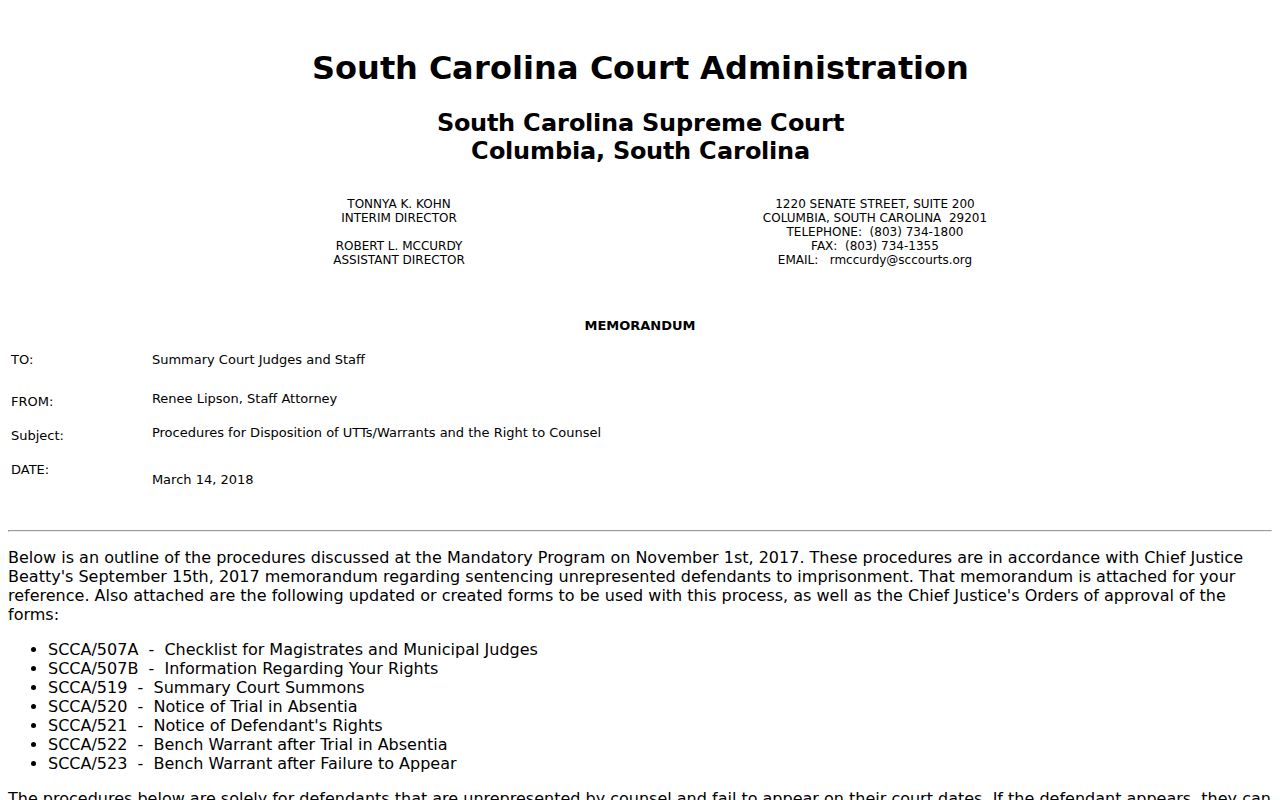
The Bench Book is statewide guidance; ask the McCormick court how it applies to the specific docket.
Whether a date was the first missed setting, a later hearing, or a bond condition can change the question to put to the court. The guidance does not promise that rescheduling will be granted in every case; it explains the summary-court preference described there. Ask which event the court entered and whether a new date or bond appearance is required.
The Bench Book passage is useful for understanding the court’s options, but it does not create an automatic grace period or cancel a warrant already entered. A person should ask the actual issuing court whether its docket shows a missed setting, a bond issue, or a later order, then follow the instructions for that case.
How a McCormick County Bench Warrant Is Issued
The issuing court reviews the missed setting or alleged bond violation and decides whether to issue process. A signed SCCA523 directs an authorized officer to bring the person before the court. The court then controls the next appearance, bond decision, recall, or other entry. McCormick does not publish a countywide list or a public status feed for these warrants.
The Magistrate's Office says magistrates issue warrants, hear summary criminal and traffic cases, set bonds, and hold preliminary hearings. General Sessions files route through the Clerk of Court. The Sheriff's Records/Warrant Service function concerns service, not the court's decision to issue or withdraw the warrant.
The South Carolina Judicial Branch maintains a roster of magistrate judges. Check the official Magistrate judge roster for directory information, not for case status.
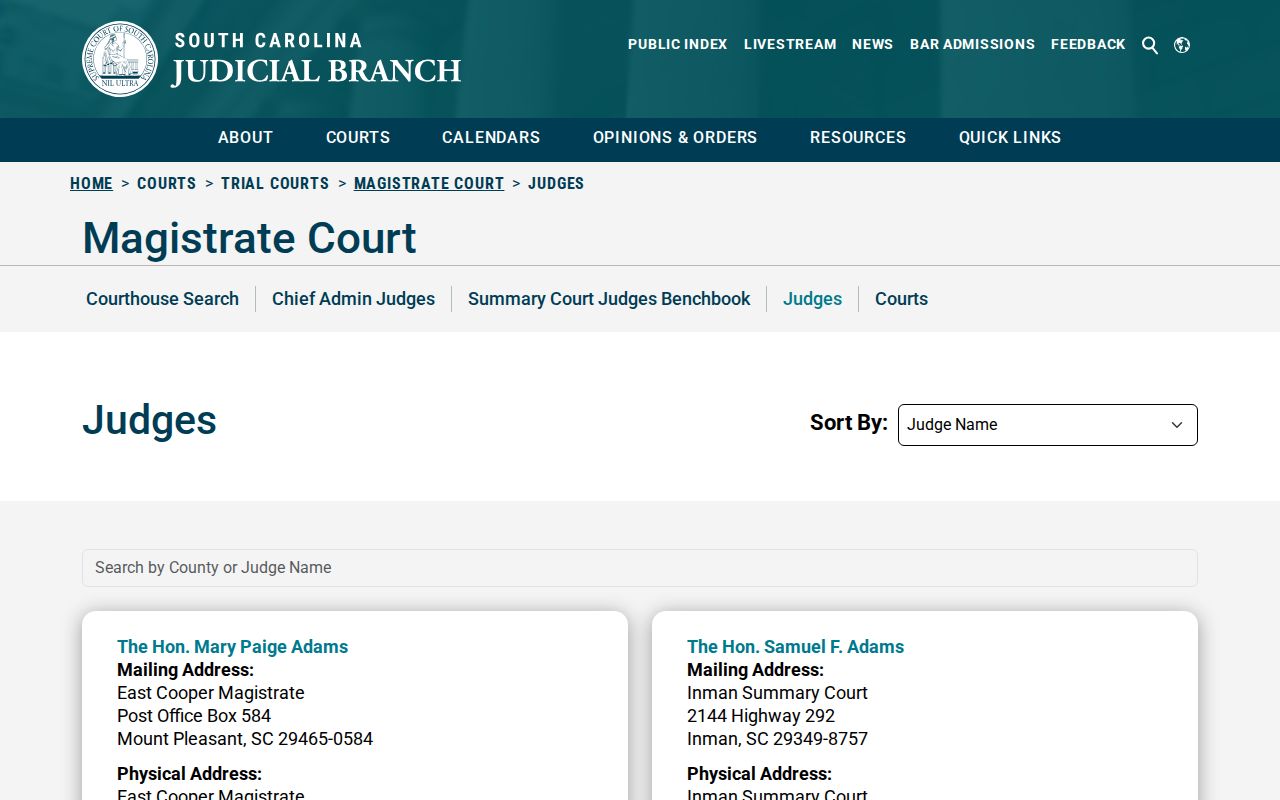
A judge listing can help identify the court system, but it does not show whether a particular bench warrant remains active.
McCormick County Uses Separate Bench Forms
Three statewide forms show why the trigger matters. SCCA523 addresses failure to appear or a bond violation. SCCA522 addresses a trial and conviction in absentia, with a sealed-sentence procedure. SCCA413 is a Family Court form with separate boxes for failure to appear, comply, pay, or another reason.
These are not interchangeable records. Family Court and juvenile information also carry additional privacy limits. Ask the court which form or case event applies instead of assuming that every document titled “bench warrant” began with a missed traffic date.
Blank forms are listed on the South Carolina Judicial Branch forms page.
The official form catalog can be searched by court type, title, or form identifier. Search for SCCA523 when reviewing the failure-to-appear form and check the form date before relying on a copy saved elsewhere.
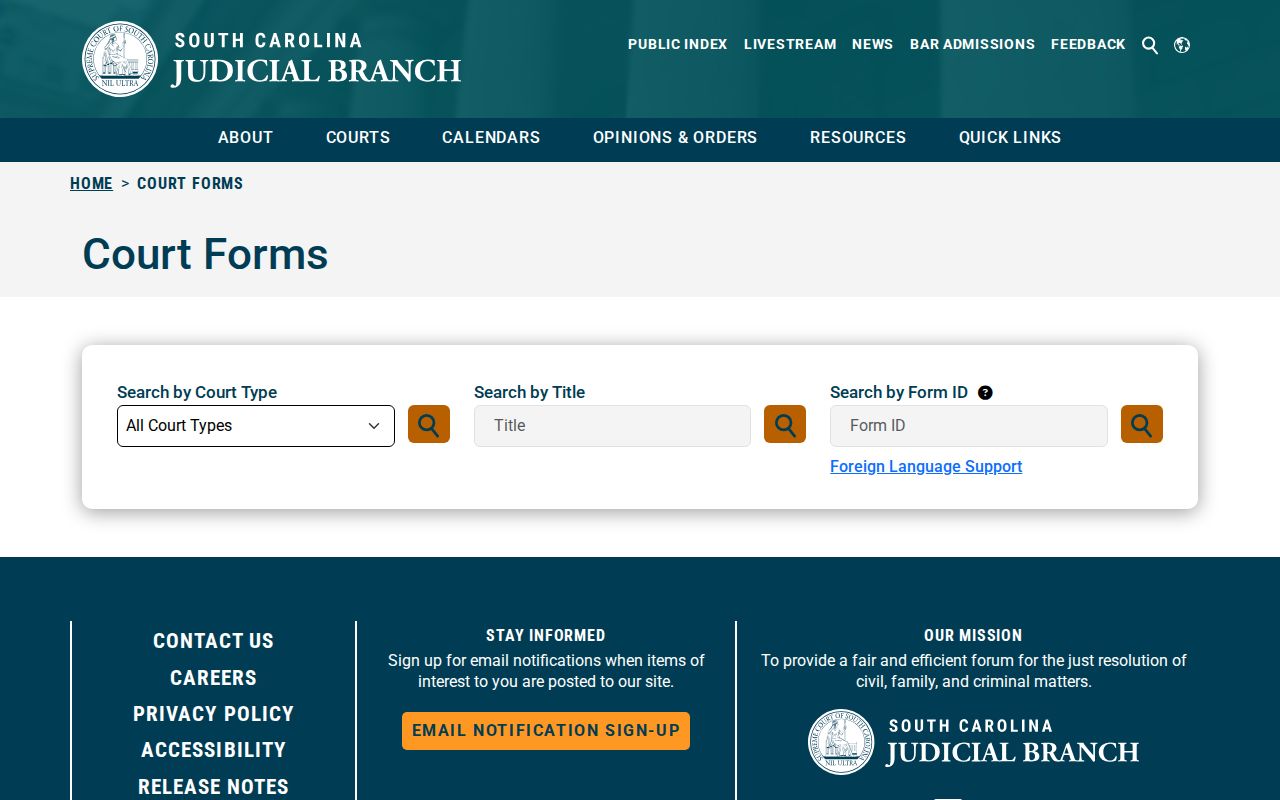
A statewide blank form explains a process but does not supply a local warrant record or tell you what a McCormick judge entered.
SCCA523 also has a county-or-municipality certification field for service. That field identifies where the warrant is certified for service; it is not a public list of participating courts or an indication that a McCormick municipal court has been verified.
Bench Warrant vs Arrest Warrant
A bench warrant follows a court obligation, such as a missed setting or bond violation. An arrest warrant follows a probable-cause review tied to an alleged offense. Both may be served by law enforcement, but they begin with different records and questions. The companion arrest-warrant page explains the complaint and service route.
| Feature | Bench Warrant | Arrest Warrant |
|---|---|---|
| Trigger | Missed appearance or bond violation in an existing case | Probable cause tied to an alleged offense |
| Who issues it | The judge or magistrate handling the case | An authorized judicial officer after review |
| Record route | Issuing court's docket and service return | Complaint or affidavit, warrant, and service record |
| Next step | Ask the court about a new date, bond, or recall | Ask counsel or the issuing court about appearance and bond |
McCormick Bond Court Needs a Call First
McCormick Magistrate is listed at 211 Augusta Street Extension; Bond Court is listed at 141 Cecil Wall Circle. The state roster uses 864-852-2316 for both settings. Bond Court shares the detention-center location, but the county pages do not publish a warrant walk-in window, surrender schedule, or public bond counter.
The state roster shows the two settings. Check the official Magistrate and Bond Court listing before traveling.
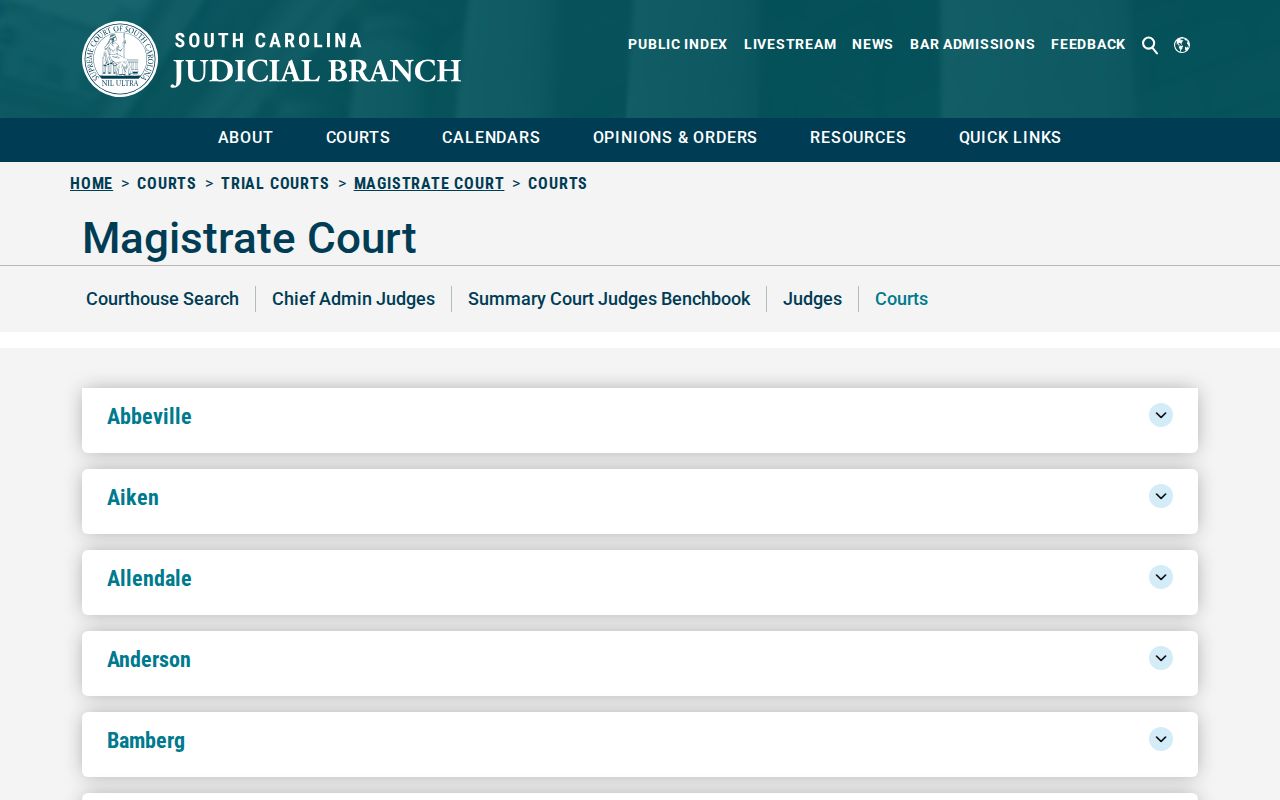
Call to confirm the exact location and procedure; a jail address alone does not create an after-hours public desk.
How to Resolve a Bench Warrant
Call the issuing court before appearing. The Magistrate's Office can explain lower-court routing; the Clerk can direct General Sessions and Family Court record questions. Ask whether rescheduling, a voluntary appearance, bond, or a motion to recall or quash may be considered.
- Get the court name and case or citation number from the notice or docket.
- Call the court to confirm the current status and ask what appearance procedure applies.
- Ask counsel whether to request a new date, recall, quash, or bond hearing.
- After court action, keep the filed order or receipt and ask the court to confirm the warrant entry changed.
After a ruling, keep the written order or docket reference, the next date, and any receipt. A bond decision, recall order, and service update can be separate entries, so ask the issuing court which record now controls.
Caution: McCormick does not publish a walk-in surrender schedule. Confirm the location and procedure with the issuing court before traveling.
McCormick County Bond Options Are Case Specific
South Carolina bond law and form SCCA507A describe possible release options, but neither supplies a single McCormick County amount for every warrant. The judicial officer sets terms in the case. Ask what payment forms are accepted and whether the underlying matter continues after release. Do not use the detention kiosk for inmate accounts as a bond-payment guide.
The state statute explains bond authority and conditions. Review the South Carolina bond chapter with counsel or the court.
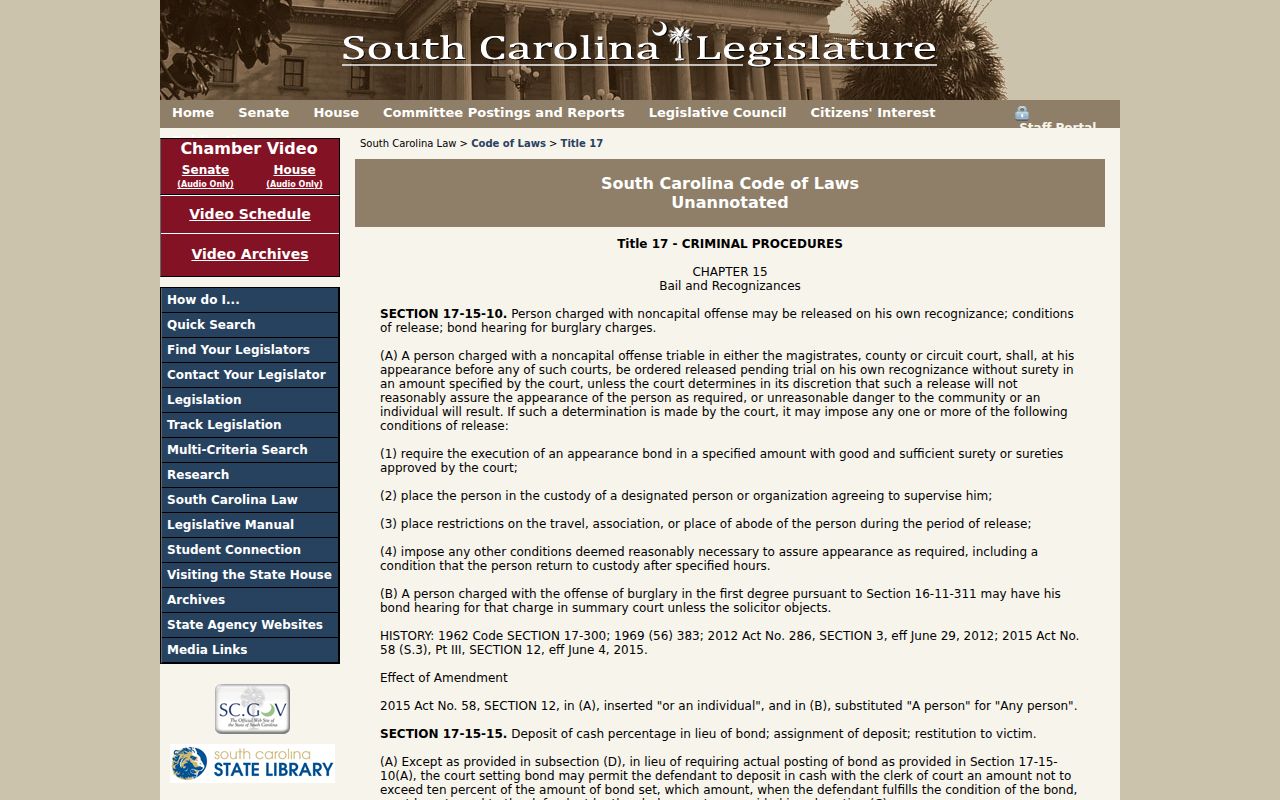
Confirm the actual amount, method, next court date, and warrant status with the issuing court.
Which McCormick County Court Issued It
The issuing court determines where to ask about a recall or new date. The McCormick Magistrate's administrative office is at 211 Augusta Street Extension and handles lower-court criminal and traffic matters. Bond Court is at 141 Cecil Wall Circle. Both court listings use 864-852-2316, but the Magistrate office and Bond Court addresses are not the same.
For General Sessions or Family Court, contact the Clerk of Court at 133 South Mine Street, Room 102, 864-852-2195. The Clerk can route a record question but does not give legal advice. If the paperwork does not name the court, use the warrant search steps to find the right office before traveling.
Check the court name and division printed on the order, then ask that office what it can confirm about a warrant, appearance date, bond instruction, and later court action. The Sheriff’s Office can answer a service-routing question, but it does not make the issuing court’s recall decision. Keep the file number and date handy so a clerk can direct you to the correct docket.