
McCormick County Arrest Warrants Need Judicial Review
South Carolina Title 17, Chapter 13 supplies the arrest and search-warrant framework statewide. A McCormick County arrest warrant begins with a complaint or affidavit, then a judge reviews probable cause. Even so, a public case page may leave out affidavits or unserved process, mainly where a seal or investigative restriction applies. The South Carolina Legislature publishes the chapter.
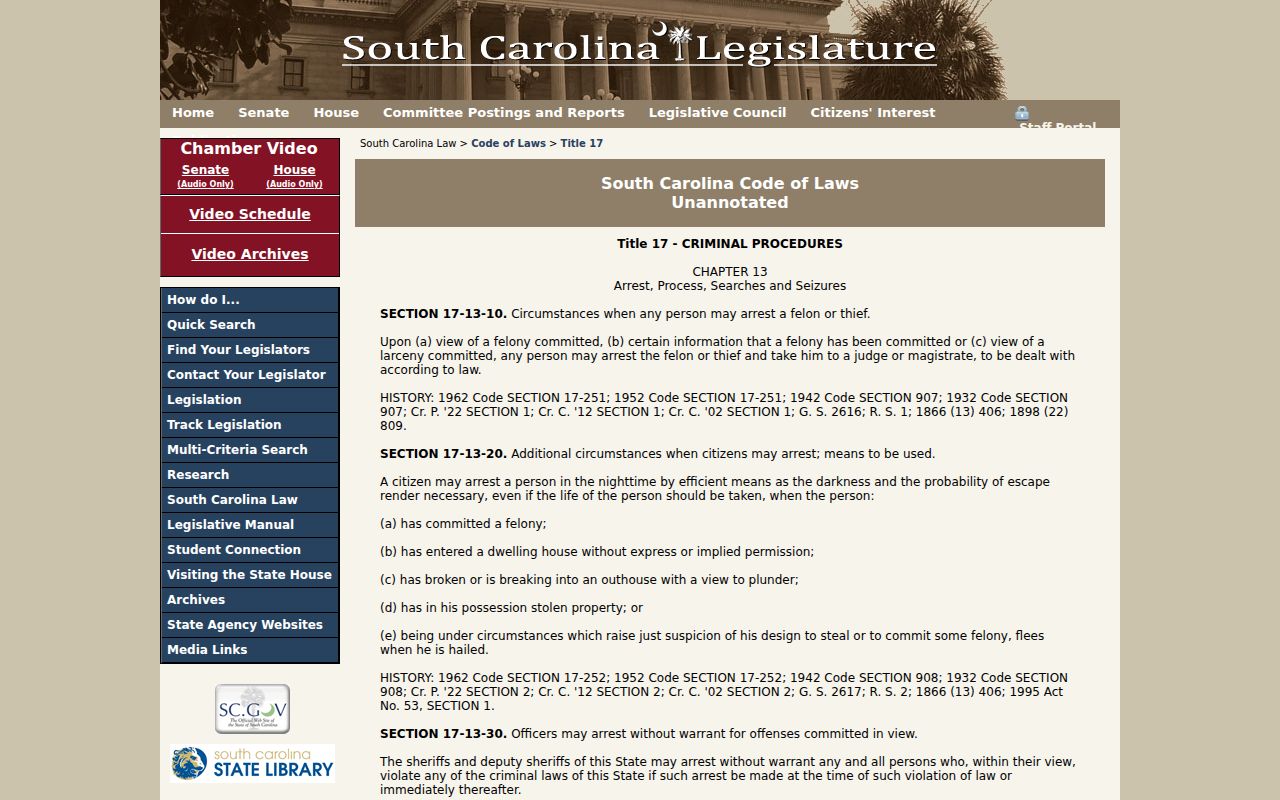
Treat that chapter as the statewide framework, then take the question to the McCormick County court that issued the process.
Arrest Warrants in McCormick County
An arrest warrant is judicial process: it authorizes an arrest only after a probable-cause review. South Carolina Title 17, Chapter 13 sets the rules for arrest and search warrants alike. In McCormick County, a Magistrate is the practical contact for lower-court process, while serious criminal matters run through Circuit Court General Sessions and the Clerk of Court. A complaint or affidavit supports the review, and an authorized judicial officer signs the warrant. Issuance and service stay separate, though. A signed order may sit with a court, pass to an agency, and come back only after service. The county publishes no countywide active-warrant search, so a warrant check runs through the issuing court or Sheriff.
McCormick County General Sessions Runs Through Clerk
McCormick County sits in South Carolina's 11th Judicial Circuit. General Sessions handles the serious criminal trials, and the Clerk of Court keeps its criminal case records. A lower-court arrest-warrant question may belong to the Magistrate instead. The court named on your paperwork beats asking one office to search every system. The Judicial Branch Clerk roster identifies the McCormick Clerk; check the official Clerk roster for current routing.
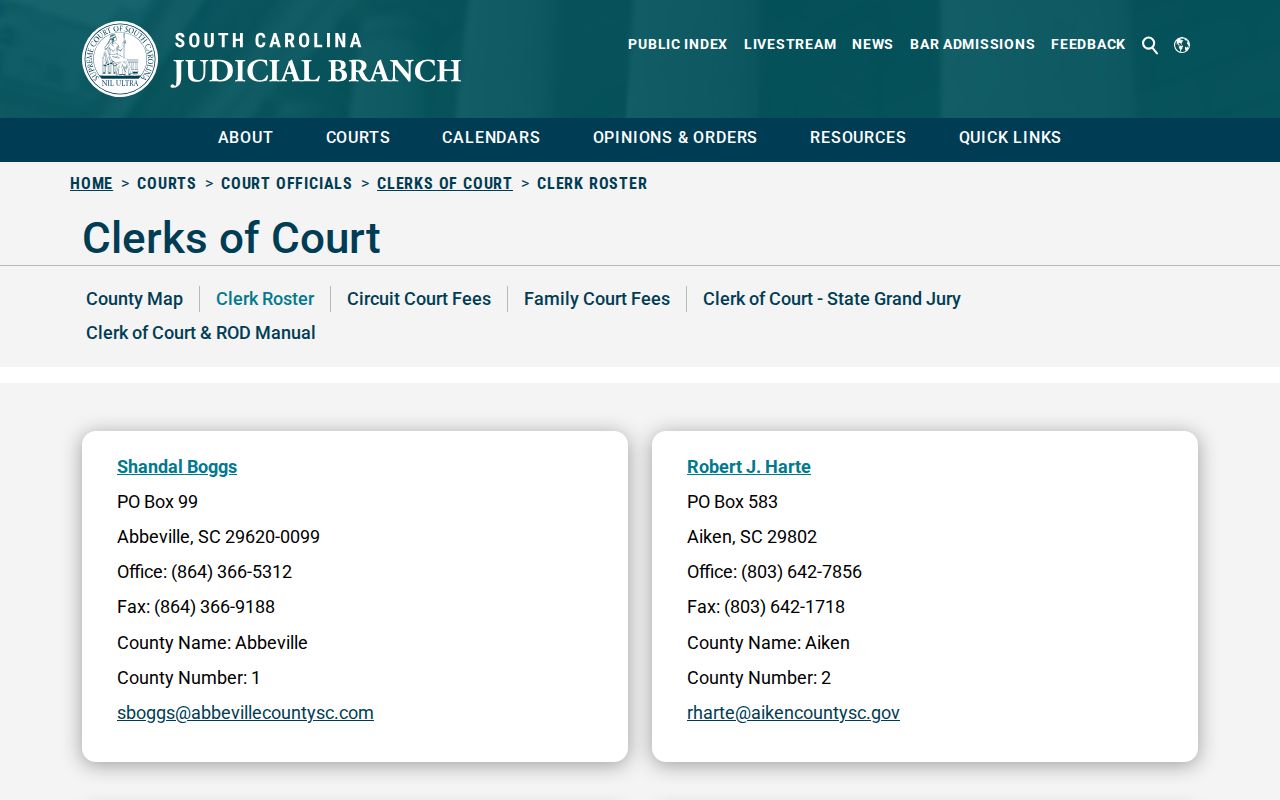
The Clerk can help locate a public case record. Legal advice is another matter, and the office cannot stand in for the Sheriff's service record. A docket entry and an arrest-warrant affidavit may be held or shown differently, so ask which parts of a General Sessions file are open to inspect and whether the request belongs elsewhere. An index can name a case event yet still omit signed documents or service returns. When your warrant question turns on an order's status, confirm it with the issuing court rather than reading a docket search as a live service report.
What a McCormick County Arrest Warrant Contains
State forms give a general record outline, but McCormick County has published no local warrant-number format. A public docket may show less than the signed paper or its return. Read the issuing court, case number, charge, and date first. Then ask which bond and service entries the public can see.
| Case or warrant number | Use the court's own identifier; no McCormick format is confirmed. Local format not published |
|---|---|
| Named person | The subject identified on the process, with personal details limited by public-access rules. |
| Charge or statute | The alleged offense linked to the complaint or affidavit. |
| Issuing judge and court | The judicial officer and court that signed or controls the process. |
| Bond direction | Any case-specific terms entered by the court; no countywide amount is published. |
| Issue and return dates | May record when process issued and whether service or custody was returned. |
The complaint or affidavit carries the facts offered for judicial review. The signed warrant records the court's authorization, and the service return documents what the agency did. A public case interface may show only the docket event. Ask the Clerk or Magistrate whether a specific document can be inspected and whether any part is restricted, rather than treating an abbreviated docket as the whole warrant file.
McCormick County Sheriff Handles Warrant Service
The Sheriff's Office page lists Records and Warrant Service, with a public office contact at 211 W. Augusta Street Extension. It posts no warrant-specific hours, no walk-in surrender policy, and no online name list. The county number is 864-465-2520. The association directory shows a different main-office number, so verify the current route. For an agency-held service return, ask whether the Sheriff received the process and which court issued it. For the signed order, the charge, or a recall, go to the court. South Carolina Rule 30 names the sheriff and appropriate agencies, so one county employee does not handle every warrant alone. Use the official county Sheriff's Office contact page to confirm the current number.
How McCormick County Arrest Warrants Are Served
The McCormick County Sheriff's Office lists Warrant Service and Records among its support functions. South Carolina Criminal Rule 30 names the sheriff and appropriate agencies, so another authorized agency may join in. No published source assigns each warrant to a named officer or promises how service will happen. Service creates an agency record, while the Clerk or Magistrate keeps the court-side file. If a warrant may have been served, ask which agency holds the return and which court now controls the case. The county posts no walk-in warrant desk or public service schedule. An arrest file may bundle a complaint or affidavit, a signed warrant, and a service return. Those papers record the request, the judicial authorization, and the result. Investigative details may be restricted, so ask the court what is public and ask the serving agency about its return.
McCormick County Search Warrants Are Different
A search warrant is a different animal. It authorizes a search of a described place, not an arrest. A judge signs it on probable cause. That paper cannot tell you whether McCormick County lists someone as wanted. Affidavits and returns often hold investigative details. Public access to those papers can therefore differ from an ordinary docket entry. Take questions about one specific search document to the issuing court or a lawyer. The McCormick County Sheriff posts no name-search portal. No public active-person list exists either. One state chapter governs both arrest and search warrants, though their purpose and process differ.
Arrest Warrant vs Summons vs Bench Warrant
Three papers, three jobs. An arrest warrant follows probable-cause review for an alleged offense. A summons directs a person to answer or appear. In McCormick County, a bench warrant follows a missed court obligation or another stated reason. The bench-warrant explanation covers the distinct failure-to-appear forms used in South Carolina.
| Feature | Arrest Warrant | Summons | Bench Warrant |
|---|---|---|---|
| What it does | Authorizes arrest under the signed process | Directs an appearance or response | Brings a person before the court after a missed obligation |
| Basis | Probable cause tied to an alleged offense | Case-specific notice or process | Failure to appear, bond violation, or another stated court reason |
| Record route | Complaint or affidavit, warrant, service return | Issuing case and notice | Underlying case, FTA form, and later court action |
| Next question | Ask counsel or the issuing court about appearance and bond | Confirm the date and response instructions | Ask the court about a new date, bond, or recall |
McCormick County Federal Warrants Use Another Court
A federal warrant lives in a separate court system. PACER may show public docket material. Sealed papers can be missing, though, so an empty search is not clearance. McCormick County residents with a personal federal question should contact federal counsel, the District Court, or the U.S. Marshals. The District of South Carolina posts courthouse locations, including Anderson. Check the District Court’s current location directory to identify federal offices and confirm which venue applies to a case.
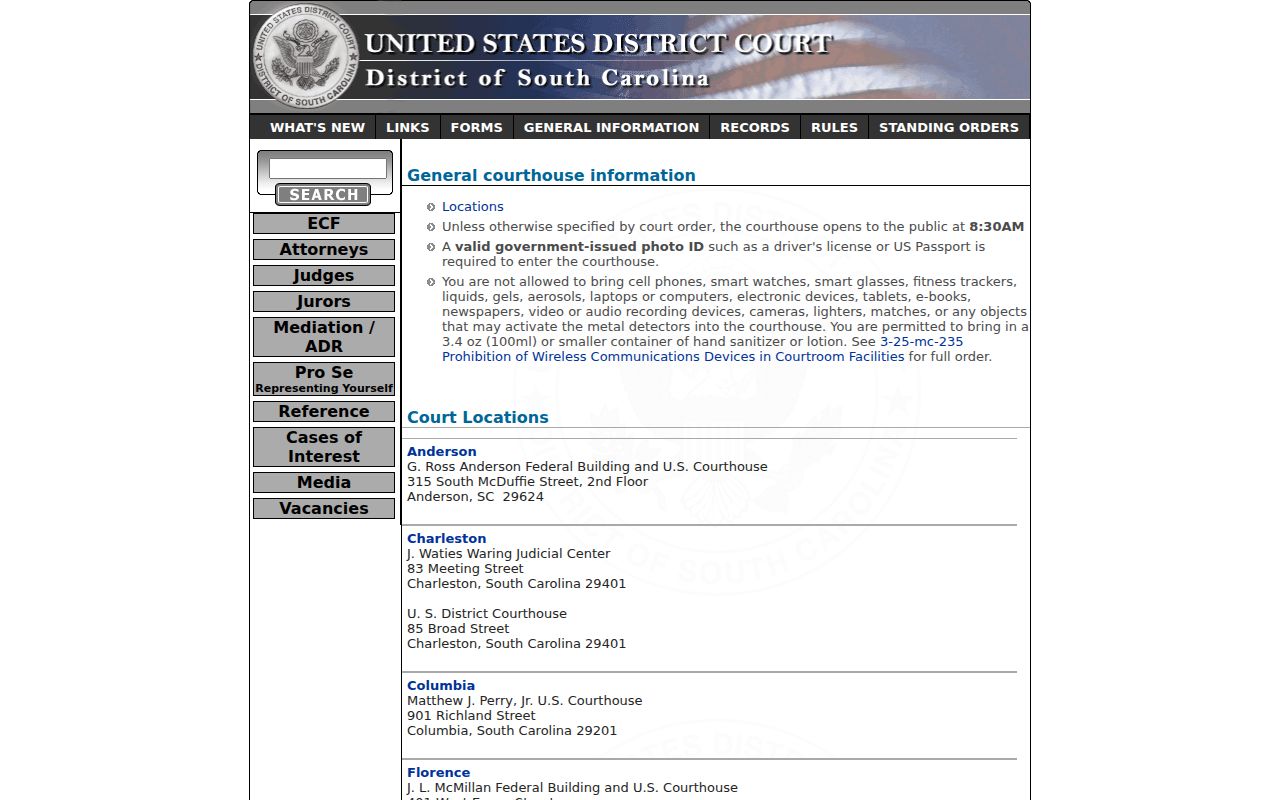
Federal location information can route a call. The District Court’s location page is a directory, not a case-assignment tool. It does not establish county jurisdiction. It will not disclose an unsealed federal warrant either. Use the venue printed on your federal notice, or ask the federal clerk which division controls the file. Do not choose a courthouse just because it sits nearer to McCormick County.
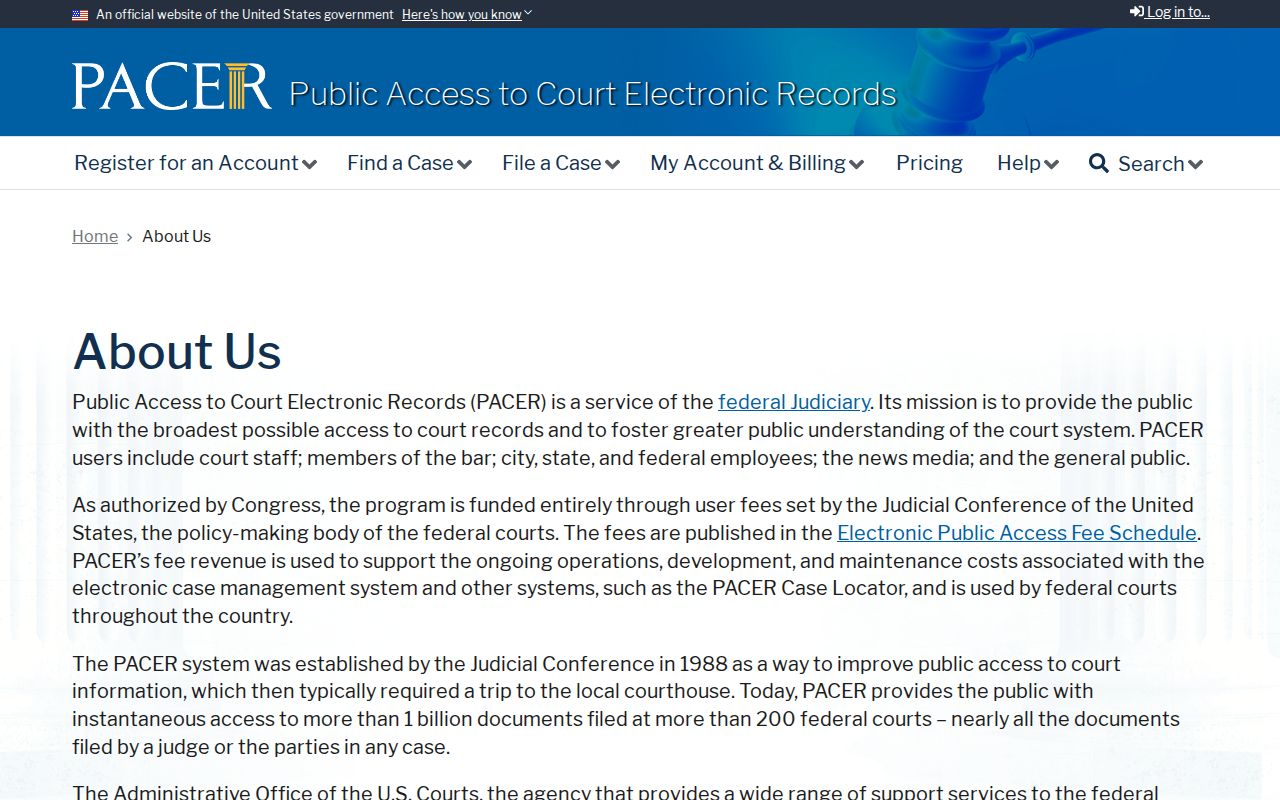
A federal public docket and a county court file are separate record systems. PACER charges for access. Its fee FAQ puts the cost at ten cents per page, usually capped at three dollars per document. Quarterly charges of thirty dollars or less are waived. The cap skips name-search results and transcripts. An empty search can still cost money. Review the PACER fee explanation before opening records, since those are federal access charges, not a McCormick County bond or warrant fee.
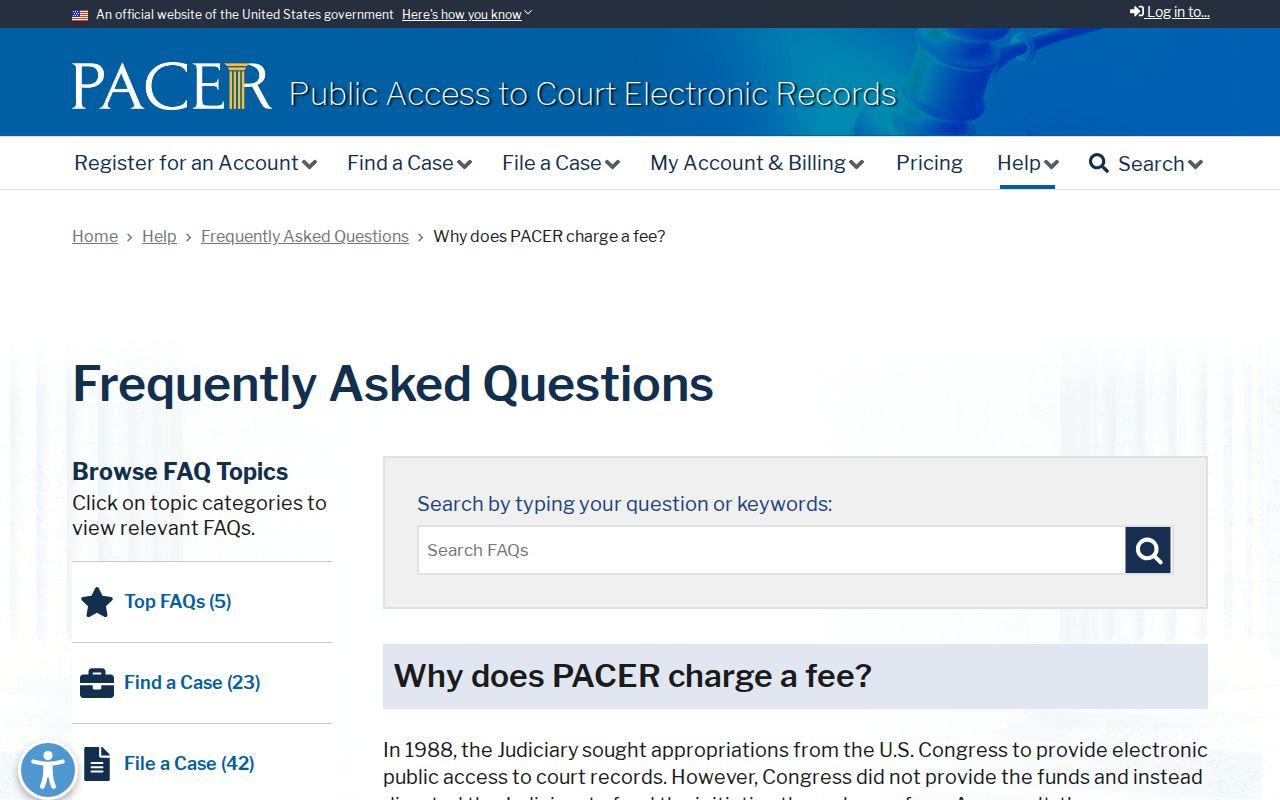
PACER charges are federal access fees, not county bond charges.
What to Do If There Is a Warrant for You
First, confirm the issuing court and the current record. Call before you show up at the detention center. McCormick publishes no surrender window or walk-in schedule. Ask the court or a lawyer whether a voluntary appearance, a bond proceeding, a new date, or a motion to recall or quash fits your case. The Clerk can route a file question but gives no legal advice. After a court action or bond release, keep the paperwork and ask the issuing court whether the warrant was recalled or satisfied. Bond does not end the underlying criminal case.
Important: Before choosing how to appear, speak with a South Carolina lawyer or the issuing court and confirm the correct location and current procedure.